


Top-rated stack rack manufacturers for industrial use
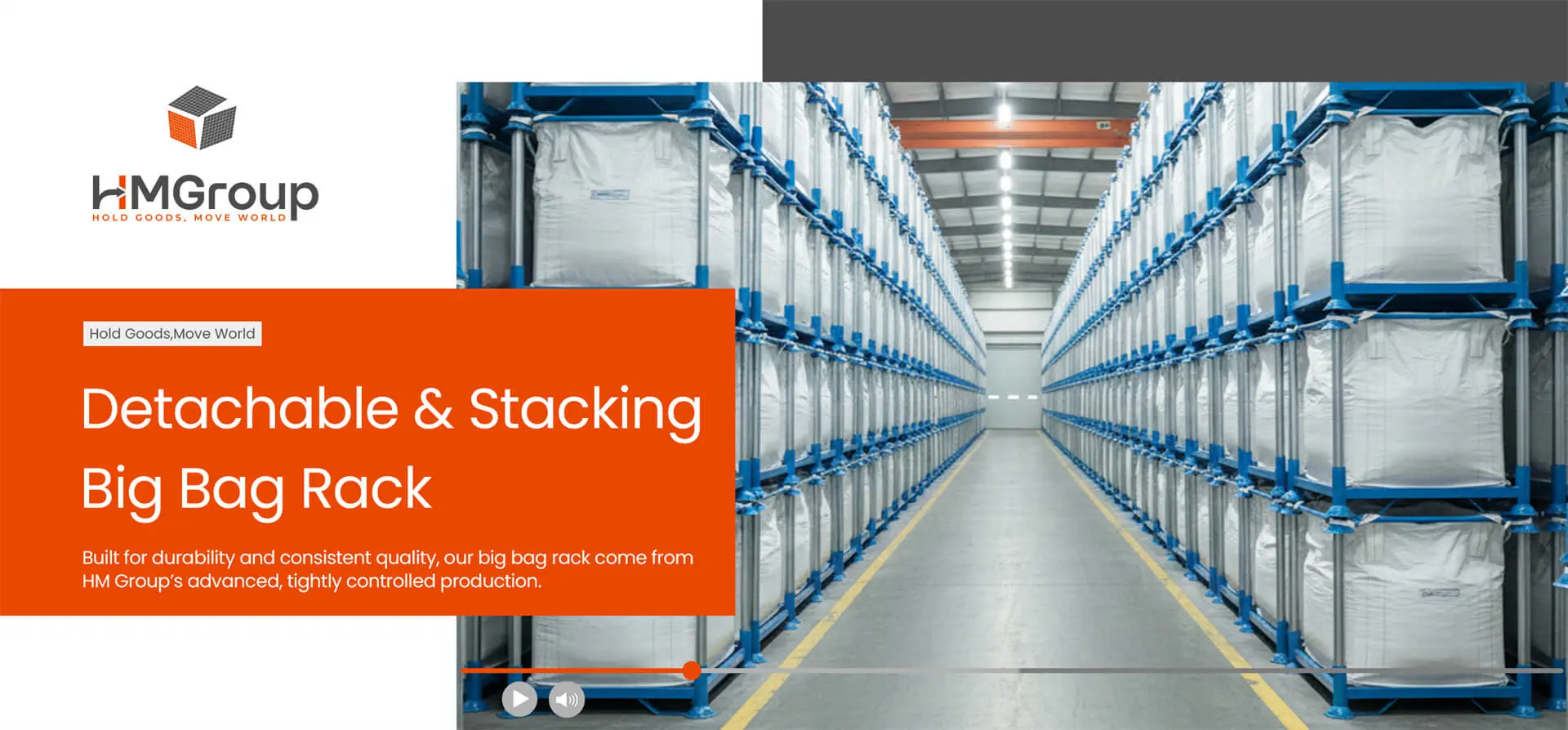
Industrial buyers need stack racks that work safely in daily warehouse operations. A low price alone does not show whether a manufacturer can meet your load, stacking, and forklift requirements. Choose a supplier that can provide clear technical information before production.
Check Load and Stack Data
Ask for the rated unit load, allowed stack height, base design, and post connection details. A reliable storage rack supplier should explain how the rack supports the planned goods and stacking levels.
Match the Rack to the Product
Different goods need different rack designs. Stacking tire racks should match tire size, weight, and required stack height. A stackable carpet rack needs suitable support points to help protect rolled material during storage and handling.
For bulk goods or changing inventory, portable stack racks may offer more flexibility than fixed shelving. Share product dimensions and handling conditions early so the factory can recommend the right structure.
Review Manufacturing and Quality Control
Ask the manufacturer about steel material, welding process, surface finish, and inspection steps. Request product drawings and packing details before placing an order. These documents help buyers check that the rack will fit their forklift, warehouse floor, and transport plan.
Consider Auto Stack Racking Carefully
Auto stack racking may be part of an automated storage system. It requires more than a standard rack purchase. Confirm the equipment interface, load data, control requirements, and safety plan with the system supplier.
Choose a Supplier That Supports Your Project
A suitable manufacturer should ask clear questions, provide accurate drawings, and confirm specifications in writing. This process helps B2B buyers source stack racks that support safe, stable, and efficient material handling.
Previous: No Information