


How to make a tire rack
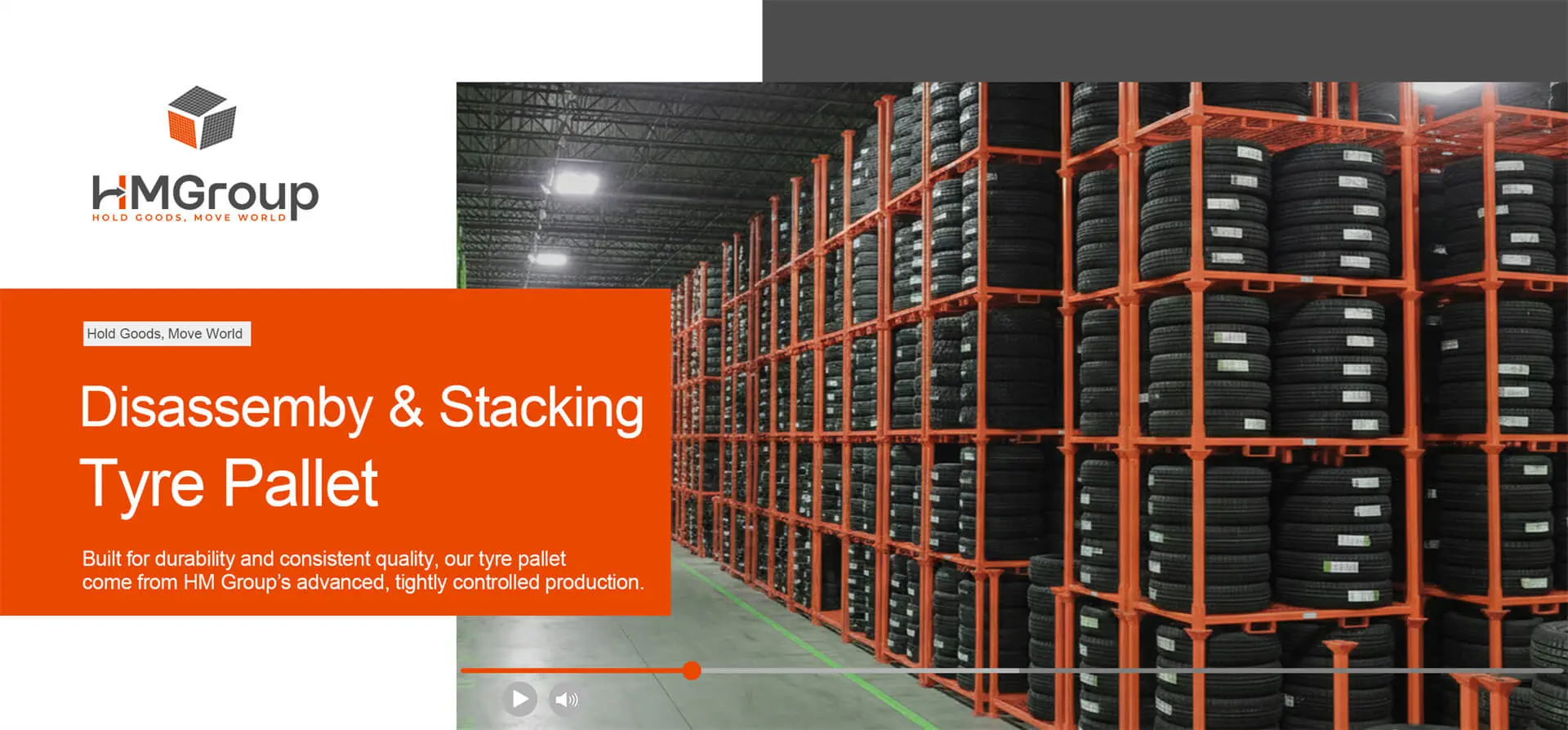
A tire rack must hold tires safely, use warehouse space well, and work with daily forklift handling. For B2B buyers, the product process matters because it affects fit, stability, finish, and delivery readiness. Below is a clear look at how a tire rack moves from an approved idea to a finished product.
1. Confirm the Product Drawing
The process starts with a technical drawing. Our team confirms the tire diameter, tire width, unit load, rack dimensions, forklift entry, and planned stack height. We also confirm whether the customer needs a fixed layout, a folding frame, removable posts, or a stackable storage rack for changing inventory.
The drawing defines the base, posts, braces, support points, and connection method. It also gives production and quality teams one clear reference before steel is cut.
2. Select the Right Steel Material
Material selection depends on the required load and working environment. The factory checks the steel section, tube, plate, and wire requirements shown on the drawing. Material should provide enough strength for the planned tire load and repeated handling.
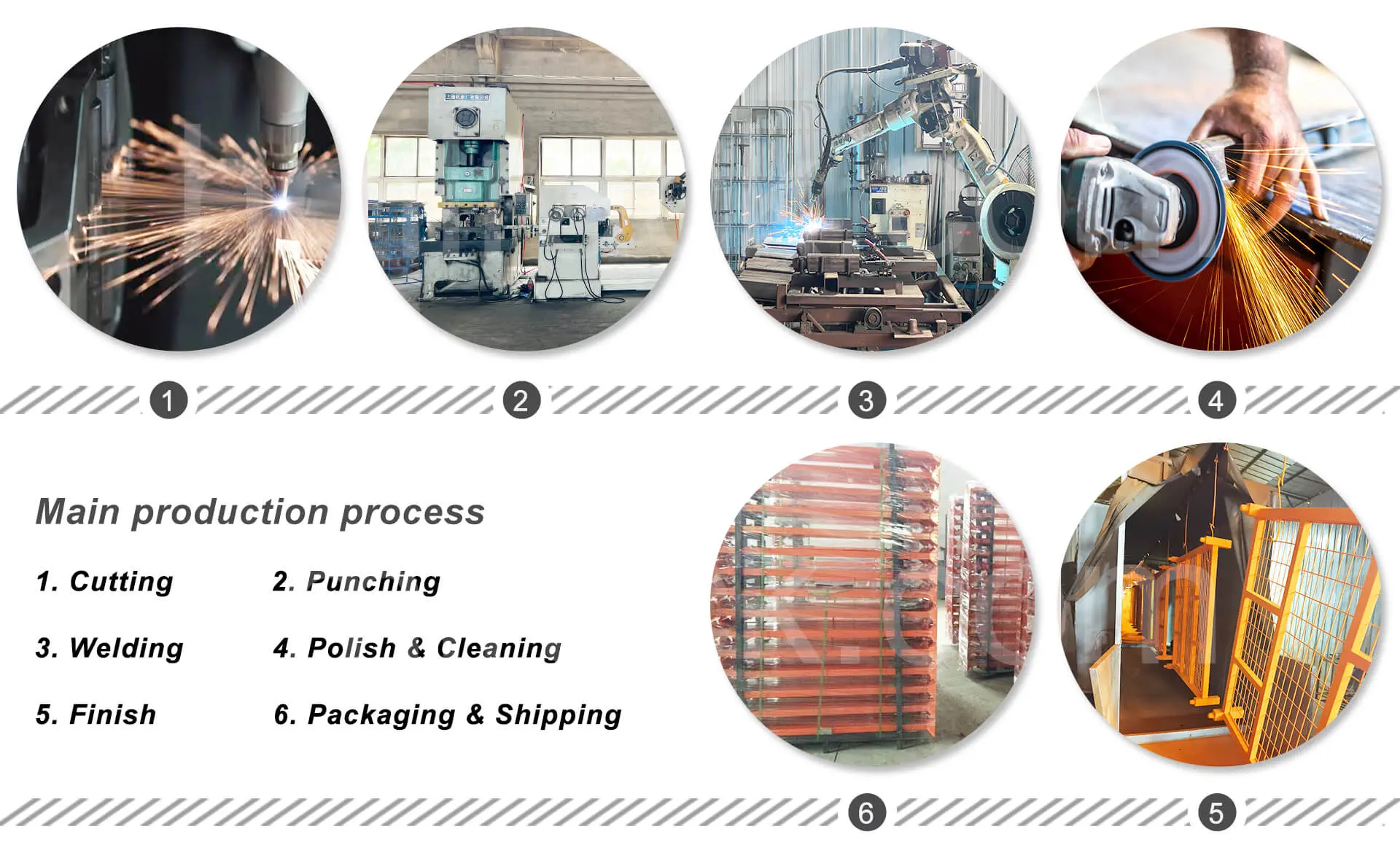
3. Cut and Form the Parts
After material checks, steel parts are cut to the approved sizes. Tubes, plates, and other components may also be bent or punched where needed. Accurate cutting helps the posts and base parts fit together correctly during welding.
The production team checks key dimensions at this stage. Small errors can affect rack alignment, stack stability, or forklift access later.
4. Weld the Rack Structure
Welders assemble the base, upright posts, braces, and tire support parts according to the drawing. The welds must create a stable structure without blocking tire loading or fork entry.
A stacking rack needs special attention at its contact points. The base and upper connection areas must align so loaded racks can stack as designed. The team checks the frame for distortion and confirms that important joints are complete.
5. Sandblasting the Steel Surface
Before powder coating, the steel surface is cleaned by sandblasting. This step removes rust, scale, oil, and other surface residue. A clean surface helps the final powder coating bond to the steel more effectively.
Surface preparation is important because the finish protects the rack during storage, handling, and transport. It should not be treated as a cosmetic step only.
6. Apply the Surface Finish
The finish is selected according to the customer's use conditions. Powder Coating is often used for indoor warehouse storage. Galvanized finishes may be considered when the rack needs stronger protection in damp or demanding environments.
The team checks coating coverage on corners, welds, and exposed edges. These areas often face more contact during forklift handling and stacking.
7. Inspect, Pack, and Prepare for Shipment
Before packing, the tire rack is checked against the approved drawing. Key checks include overall dimensions, weld condition, stack connection points, fork entry, and finish quality. Any detachable posts or accessories are counted and packed with the correct rack set.
Finally, the racks are packed based on the shipping method and unloading plan. Clear packing details help customers receive, unload, and put the racks into use with fewer delays.
Previous: No Information