


The Ultimate Pallet Rack Selection Guide: Everything You Need to Know
Choosing a pallet rack is not simply a matter of selecting the highest load rating or the lowest quotation. The right system needs to match the goods, pallet dimensions, available floor space and the way forklifts actually enter and remove loads.
For a warehouse buyer, the selection process becomes much clearer when these factors are considered in the right order.
1. Start With the Goods
First identify what will actually sit on the rack.
Standard palletized goods can often work with conventional pallet racking, while long, bulky or irregular materials may need a different storage format. For example, fabric rolls storage post pallet racks are designed around cylindrical or rolled materials rather than standard boxed pallet loads.
The cargo determines the required support arrangement, storage depth and access method.
2. Check the Pallet and Rack Dimensions
Pallet size should be measured before choosing the rack. Width, depth and load height all affect the usable bay dimensions.
Allow enough clearance for forklift entry and pallet placement. A rack that technically fits the pallet but leaves insufficient operating clearance can create problems during daily loading and unloading.
3. Decide Between Fixed Racking and Stacking Racks
Not every warehouse needs the same storage structure.
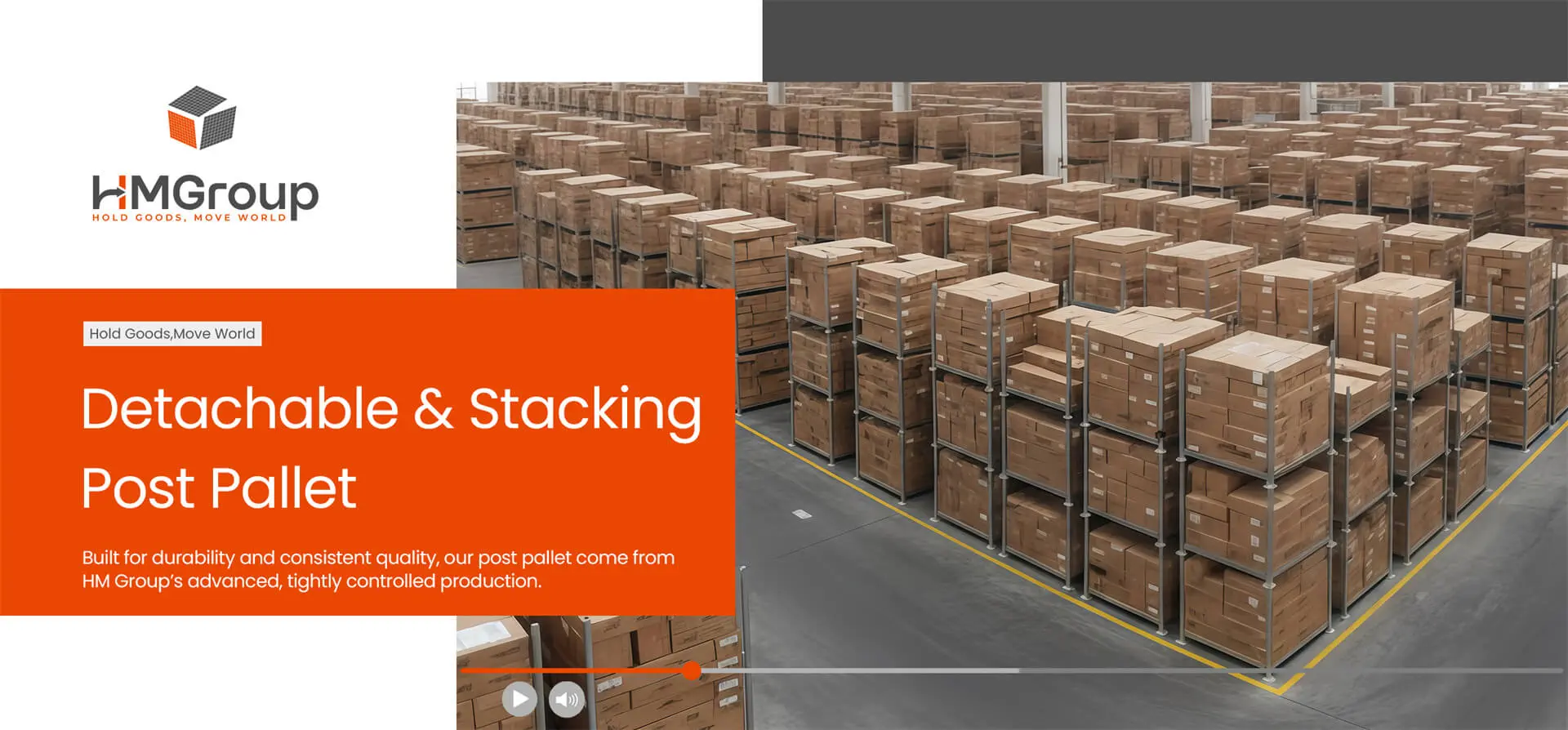
Fixed pallet racking creates defined storage locations and works well where inventory is relatively stable. Stacking pallet racks, on the other hand, are movable steel frames that can be loaded, stacked and relocated with a forklift. They can be useful where storage layouts change with production schedules or seasonal inventory.
The choice should follow the movement of the goods, not just the available floor area.
4. Consider How the Forklift Will Work
Look at the complete handling movement: approach direction, lifting height, aisle width and the position of the load inside the bay.
This is particularly important for taller rack configurations. Beam clearance, pallet overhang and forklift reach should all be checked before the final specification is confirmed.
5. Match the Rack to the Storage Environment
Indoor warehouses, production areas and outdoor storage locations can have different requirements. Steel grade, surface treatment and structural details should reflect the environment in which the equipment will operate.
For HM Group, common options include mild-steel construction with powder coating or galvanized finishes, depending on the application.
6. Think Beyond the Initial Layout
A rack may work well today but become restrictive when inventory changes.
If the warehouse regularly handles different loads, changes storage locations or needs temporary staging capacity, movable stacking pallet racks can provide another layer of flexibility alongside conventional pallet racking.
What Should Buyers Put in an RFQ?
A useful pallet rack inquiry should include the pallet dimensions, maximum load, required rack height and bay configuration, storage environment, forklift type and expected quantity. For non-standard cargo, provide the cargo dimensions and loading method as well.
This gives the manufacturer enough information to assess the structure rather than quoting from dimensions alone.
The best pallet rack is the one that fits the complete storage and handling process. At HM Group, the starting point is therefore the load and warehouse conditions, followed by the rack structure, dimensions and handling requirements.
Previous: No Information
Next: what is a stillage