


what does stack and rack mean
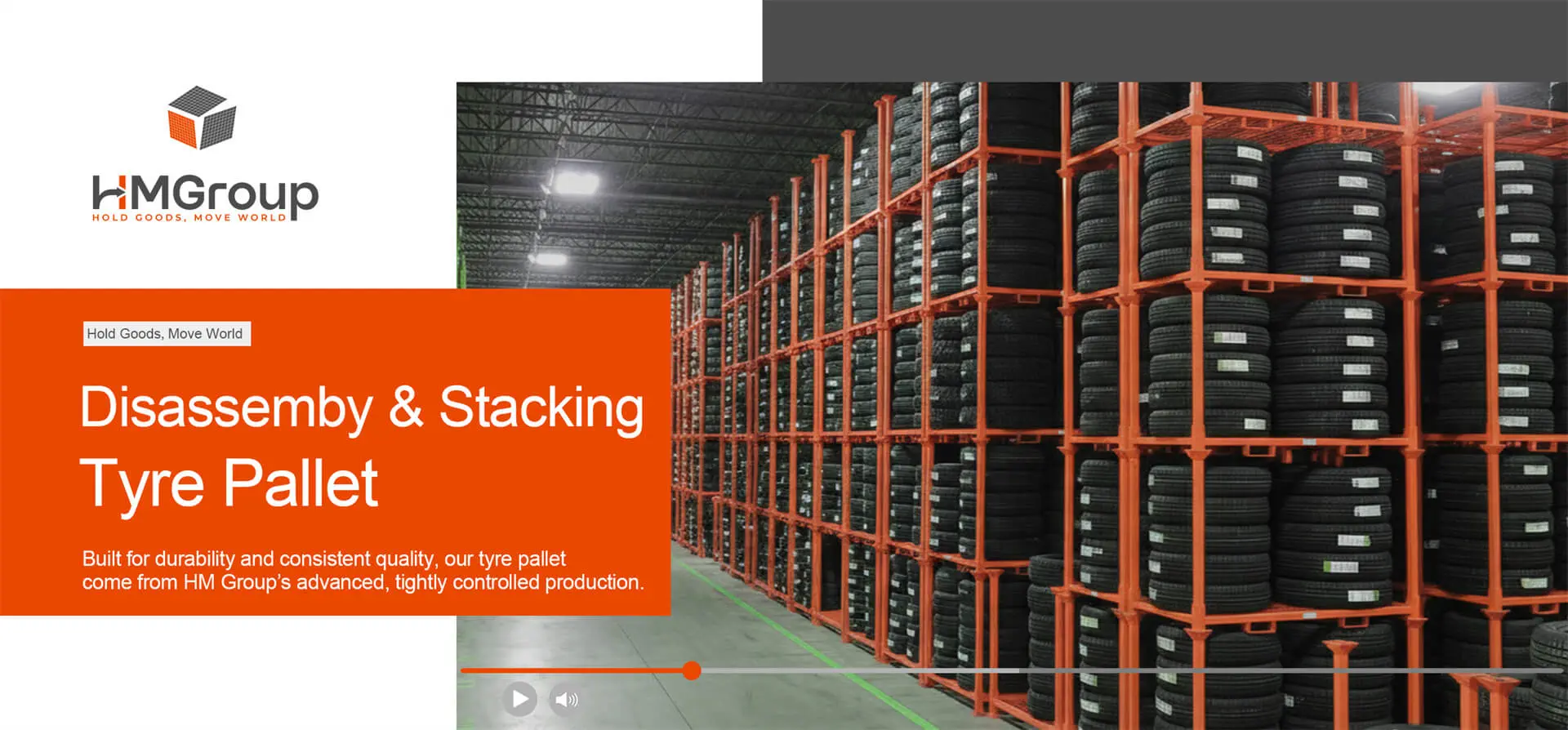
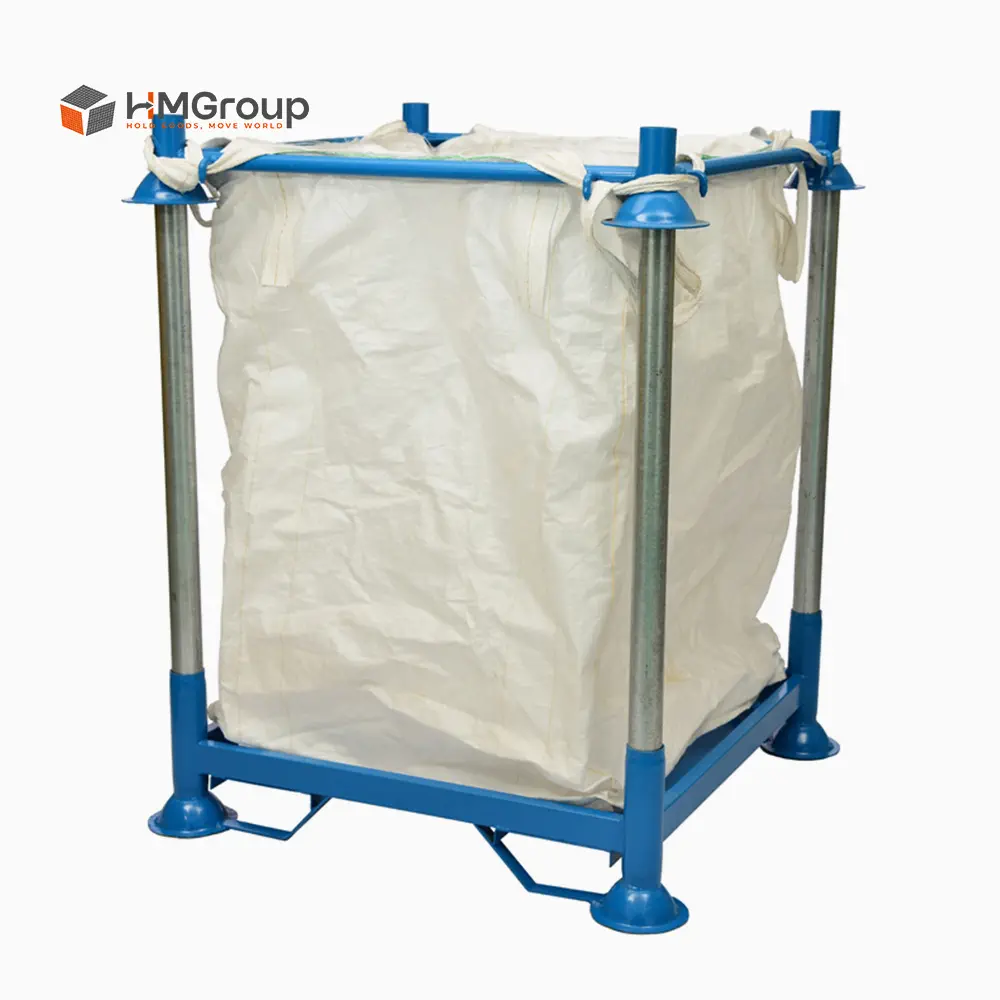
When buyers search for "stack and rack," they usually mean a stack rack: a portable steel frame used to store and transport goods in a vertical stack. It is not the same as a fixed pallet rack system bolted to the warehouse floor.
A stack rack, also called a stacking rack, stackable rack, post pallet, or stillage, gives a warehouse more freedom. It can be placed where stock is needed, lifted by forklift, and moved when the layout changes. For operations with seasonal demand, rented space, or frequent product changes, this can be more practical than a permanent rack installation.
What Is a Stack Rack?
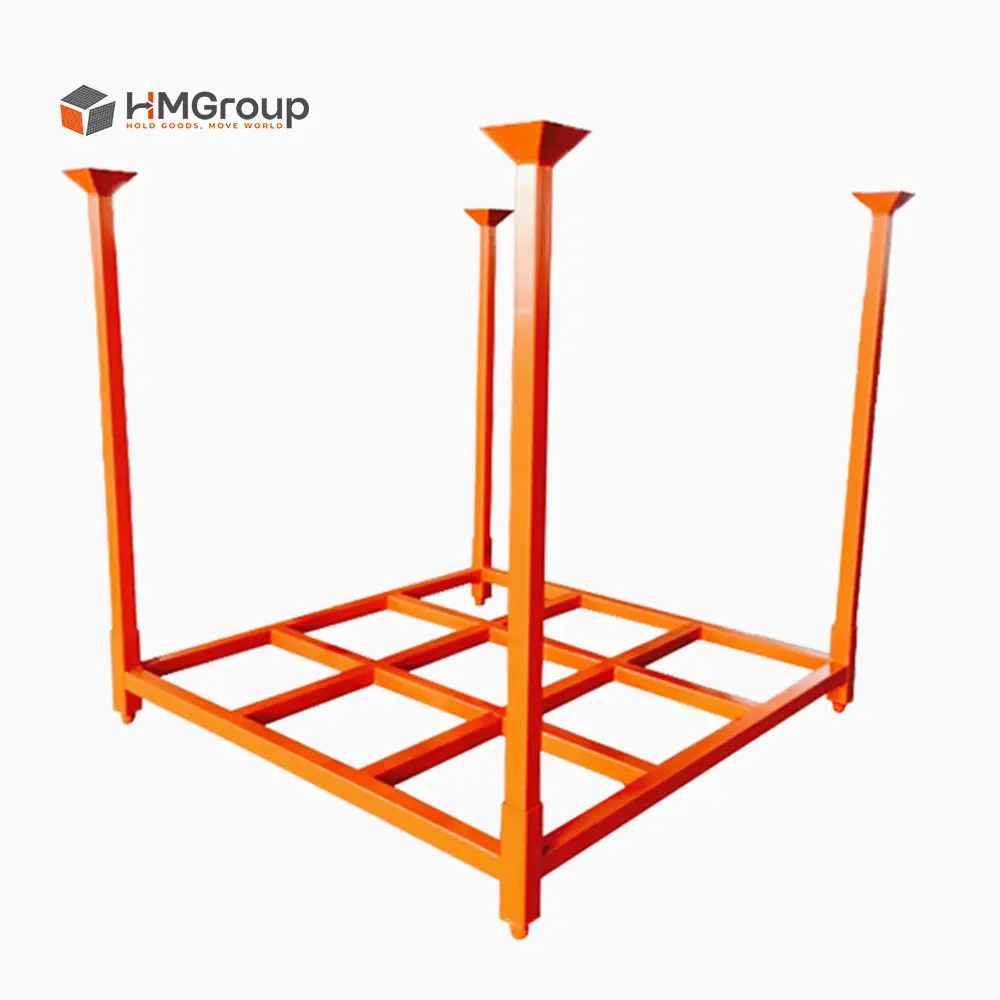
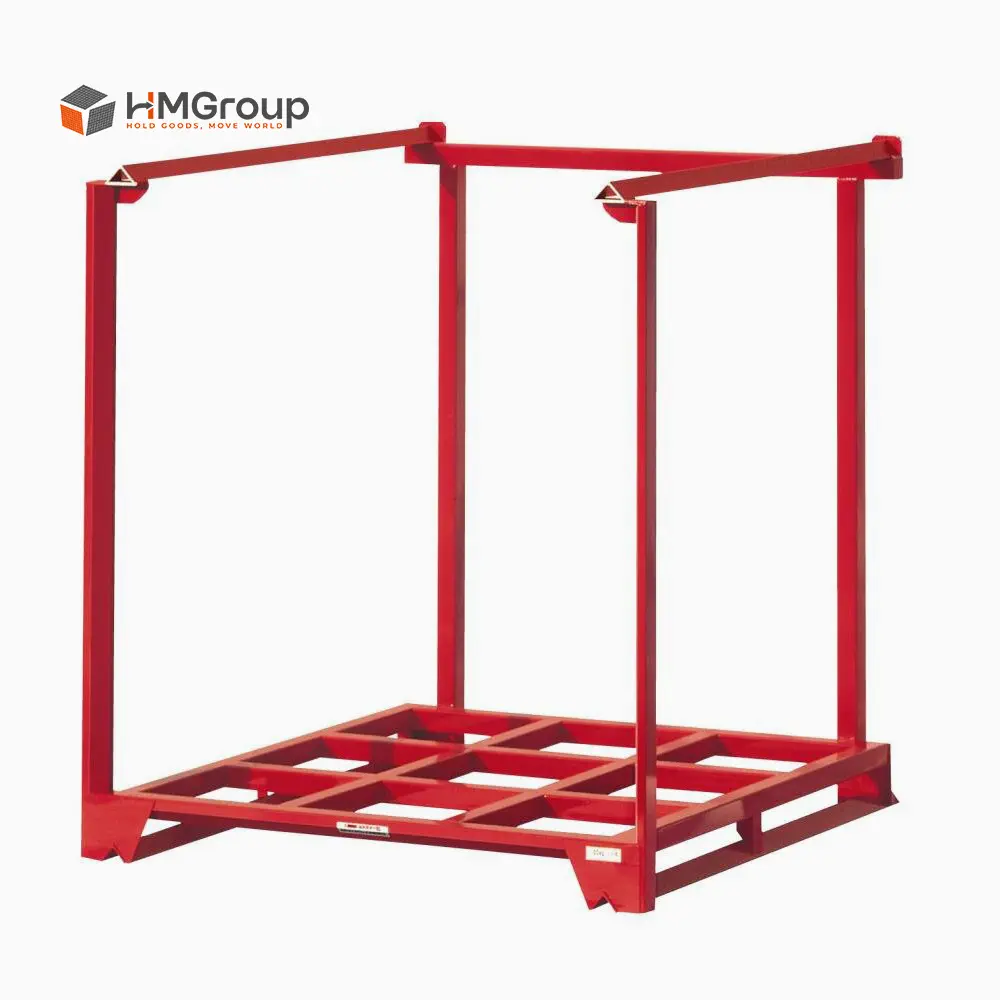
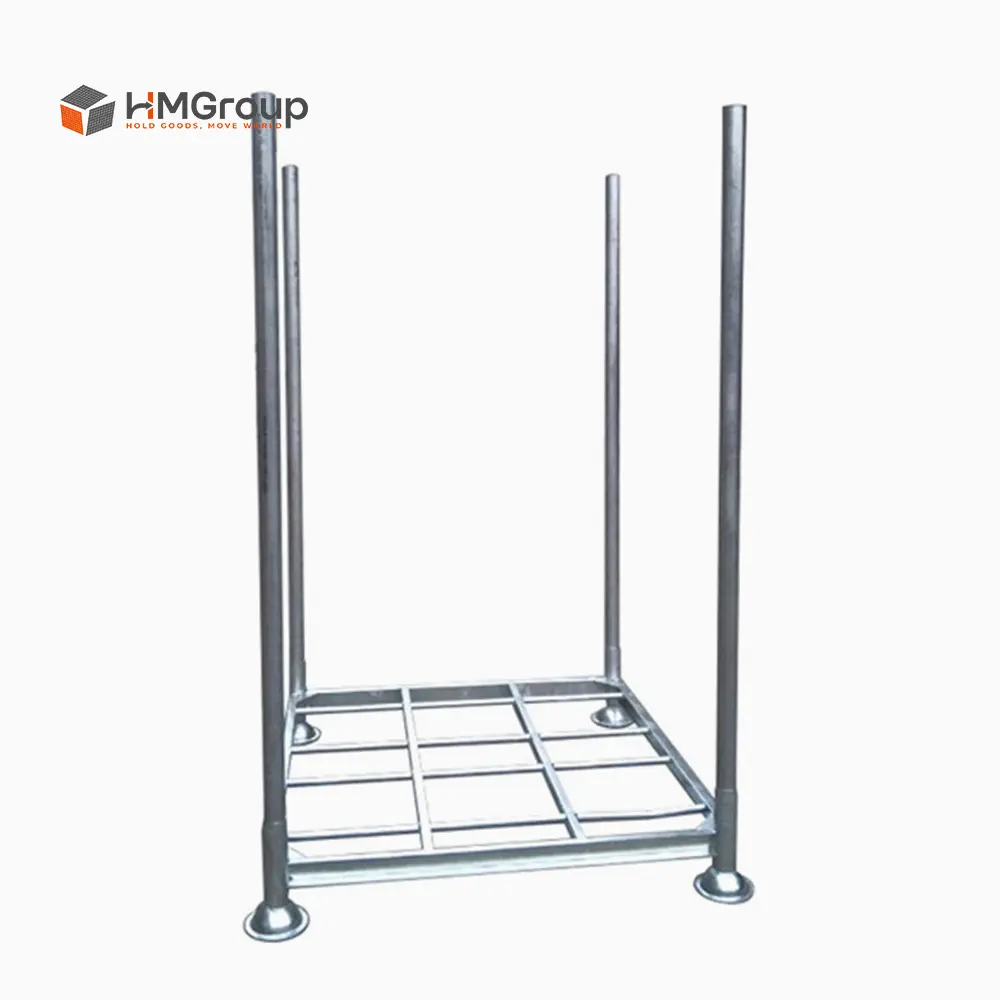
A typical stack rack has a steel base, upright posts, and support rails or a deck. Goods sit on the base, and another loaded unit can be placed above it. Depending on the approved design, load, floor condition, and handling method, some systems can stack up to four levels.
Many designs use detachable posts or foldable frames. When empty, the units can be nested, folded, or packed as loose parts. This reduces the space needed for empty-rack storage and may lower return freight costs.
Why B2B Buyers Choose Them
The main benefit is flexibility. A portable stacking rack can support bulk bags, cartons, coils, auto parts, tires, fabric rolls, or food products. It is often used by factories, 3PL providers, warehouses, distributors, and returnable transit packaging programs.
Buyers should confirm whether the rack has two-way or four-way forklift entry. Four-way forklift entry can make handling easier in busy warehouses, but it depends on the base design. Fork size, forklift capacity, and aisle width should also be checked before ordering.
Load, Size, and Structure Matter
A rack must match the goods it will hold. Before requesting a quotation, provide the unit load, pallet or container size, product height, and required stack height. The supplier can then recommend the right base, post section, brace layout, and support deck.
Common options include removable or foldable posts, wire mesh decks, steel plate decks, and side panels. Detachable posts can improve empty-rack packing efficiency. Foldable side may suit projects that need a fixed structure. The correct choice depends on handling frequency, storage conditions, and transport needs.
Choose the Right Surface Finish
Surface protection should match the work environment. Powder Coating is often selected for indoor warehouses where appearance and normal rust resistance are important. Hot-Dip Galvanizing (HDG) may be a better option for cold storage, wet areas, or outdoor use.
The finish should be selected with the customer's actual environment in mind. It is not only a visual choice; it affects long-term maintenance and corrosion protection.
Stack Rack vs. Fixed Pallet Rack
A fixed pallet rack works well for a stable warehouse layout and regular pallet flow. A stack rack is better when storage locations need to change, stock is seasonal, or the business wants to avoid a permanent racking project.
For example, a 3PL warehouse may use stack racks for overflow storage during peak season. A tire distributor may move rack groups as tire sizes and stock levels change. A factory may use post pallets for work-in-process parts that must move between production and shipping areas.

Questions to Ask Before You Buy
Ask your supplier to confirm the rated load, maximum stack level, overall dimensions, forklift entry, post type, deck style, surface finish, packing method, MOQ, and lead time. For export orders, ask how many units can fit in a container when posts are removed or frames are folded.
A well-specified stack rack gives buyers a flexible, reusable storage solution. Clear product data at the start helps ensure the finished rack supports safe storage, efficient handling, and lower space use across the full supply chain.
Previous: No Information
Next: How to make a tire rack